Office Removals in Soho
If you are planning office removals in Soho, you already know that moving in this part of central London takes more than a van and a few boxes. Soho is compact, busy, and full of character. It is home to creative agencies, production companies, hospitality teams, boutiques, studios, professional practices, and growing businesses that often work from period buildings, mixed-use premises, shared offices, or upper-floor spaces with tight stairways and limited loading options. That is exactly why a careful, locally informed approach matters.
Whether you are relocating a small office, moving floors within the same building, or shifting an entire team to a new workspace nearby, the right moving service can save time, reduce stress, and help business continue with less interruption. Office removals Soho customers often need practical support with access planning, packing, dismantling, lifting, transport, and coordination around busy streets and building rules. A local team understands those demands and can shape the move around them.
From early planning to final placement at the new site, the aim is simple: keep the move organised, keep your items protected, and keep downtime as low as possible. If you need a flexible, efficient and professional service for a Soho office move, you can request a quote, discuss your schedule, and book a move that works around your business.
Why Soho office moves need a specialist approach

Soho is unlike many other parts of London. The streets are often narrow, traffic can be heavy throughout the day, and buildings may have limited vehicle access or restricted loading windows. Some offices sit above retail units, some are in converted buildings, and others are tucked away on side streets where turning space is limited. All of this affects how an office relocation should be planned.
For local businesses, timing is often critical. Many offices in Soho cannot afford a long shutdown, especially where client appointments, production schedules, hospitality support, or live project work are involved. That is why careful scheduling and good communication are essential. A well-run office move should fit around the realities of your working day rather than forcing your team to adapt to a generic process.
Local removals teams also tend to be better prepared for the practical details that matter in Soho. That includes vehicle sizing, route planning, building access, lift use, stair carries, and the possibility of parking restrictions or short loading zones. A move in a central area is often smoother when the team already knows how to work around these conditions.
Who we help with office removals in Soho

Office relocation support in Soho is rarely one-size-fits-all. Businesses here vary widely in size and type, so the move needs to be tailored to suit the workspace and the way the company operates. A good service should work for small teams as well as larger commercial operations, and for straightforward moves as well as more complex relocations.
Typical customers include:
- Creative agencies and design studios
- Media, content, and production teams
- Professional practices and consultancies
- Hospitality offices and back-of-house teams
- Retail support offices and brand workspaces
- Start-ups and growing businesses
- Co-working occupiers and shared-office tenants
- Businesses moving between Soho and nearby areas such as Mayfair, Covent Garden, Fitzrovia, Bloomsbury, Marylebone, and the West End
Some customers need a full relocation, while others only need help with selected items such as desks, chairs, filing cabinets, monitors, archive boxes, or specialist equipment. A flexible moving service allows you to choose only what you need, which is especially useful for offices that want to minimise cost and avoid unnecessary disruption.
What is included in an office removal service
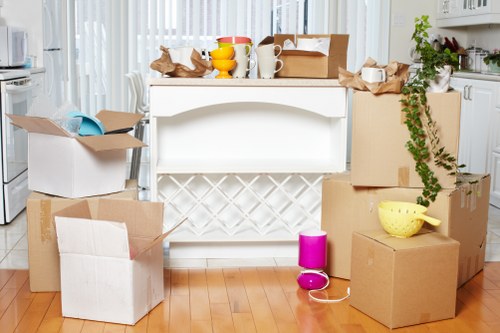
A professional office move should feel structured from start to finish. When businesses request Soho office removals, they often want reassurance that the work will be handled carefully, securely, and with as little interruption as possible. The exact service can vary, but most office removal packages include a mix of planning, packing, lifting, transport, and set-up support.
Common services include:
- Initial move planning and scheduling
- Site assessment for access, loading, and handling requirements
- Packing materials and packing assistance
- Safe dismantling and reassembly of desks, tables, and office furniture
- Careful handling of IT equipment and fragile items
- Labelling of boxes, furniture, and workstation contents
- Transport between the old and new premises
- Placement of items in the correct rooms or zones at the destination
- Optional out-of-hours or weekend move arrangements where required
Depending on your needs, the team may also help with archive boxes, stock, display items, storage units, meeting room furniture, and more. If your office has sensitive documents or valuable equipment, it is worth asking about extra handling arrangements so that everything is managed with the right level of care.
Tip: The smoother your labelling and planning, the quicker the unloading and set-up stage will be. That is especially helpful in Soho, where access time may be limited and buildings can have strict occupancy schedules.
How office removals work in Soho

Every move is different, but most successful office removals follow a clear process. That process is designed to reduce surprises and keep everyone on the same page, from the first conversation to the moment the last item is placed in the new office.
Here is how a typical move is managed:
1. Discuss the move
The first step is usually to talk through your office size, move date, current and new location, access details, and any special items. This is the stage where you can explain whether you need packing support, dismantling, storage, or a move outside normal business hours.
2. Plan around access and timing
In Soho, timing matters. The move should be arranged around building access, lift bookings, loading rules, and the best times for vehicle arrival. A local team will also think about congestion, restricted streets, and how to keep the process moving without delays.
3. Prepare the office
Before moving day, the office should be sorted, labelled, and ready for loading. That means identifying what stays, what moves, and what should be removed separately. It also helps to back up data, protect fragile items, and brief the team on what to expect.
4. Carry out the move
On the day, the removal crew loads your items safely and transports them to the new site. Items are typically unloaded room by room or zone by zone, so your team can start getting organised quickly.
5. Reassemble and position
If requested, furniture can be reassembled and positioned in the right place. This is particularly useful for desks, workstations, boardroom tables, storage units, and other items that need to be set up before staff return.
When this process is handled properly, the move feels more manageable and your team can focus on getting back to work instead of dealing with avoidable disruption.
Preparation checklist for a smooth office move

Good preparation makes a real difference. Even a small Soho office can contain more than you expect, and the better organised the office is before moving day, the smoother the relocation will be. The following checklist can help you stay on track.
Before moving day
- Confirm your move date and time window
- Let staff know what they are responsible for packing
- Label all boxes by department, desk, or room
- Back up important files and data
- Clear out unwanted items, waste, and redundant furniture
- Take photos of cable arrangements if needed
- Separate items that need special handling
- Arrange parking or access permissions where required
- Check lift bookings and building rules in advance
What to pack separately
There are usually a few items that are best kept separate, including personal belongings, sensitive paperwork, and high-value equipment. If you are moving specialist kit, let the movers know in advance so that suitable handling can be arranged.
Helpful internal steps
Small actions can save a lot of time later. For example, numbering boxes, assigning a contact person on each site, and mapping out desk positions can make unloading quicker and reduce confusion for staff on the first day back.
Important: If your office uses shared spaces, serviced offices, or managed buildings, check the building’s move procedures early. Many Soho properties have specific rules about lifts, loading bays, and noise-sensitive hours.
Common Soho access and parking challenges
One of the biggest reasons people choose a local moving company for office removals in Soho is access knowledge. A central London move can be affected by restrictions that are easy to overlook if you are planning from outside the area. Even a straightforward relocation can become difficult without the right vehicle, timing, and route strategy.
Typical challenges include restricted loading space, limited waiting time, busy pedestrian areas, one-way streets, narrow entrances, and older buildings without easy lift access. Some office premises are on upper floors or are reached by staircases that require careful carrying and extra manpower. These conditions can slow down an unprepared move, but they are manageable when the team plans properly.
A local company is more likely to understand how to work around these realities. That may mean using the right size vehicle, booking the move at a sensible time, planning the unload carefully, and allowing enough labour for stairs, tight corners, or awkward items. In a district like Soho, that kind of practical thinking can make all the difference.
Local relevance matters because Soho offices are often part of a wider central London pattern: busy weekday traffic, premium commercial space, mixed-use buildings, and limited storage on site. All of that puts a premium on efficient handling and proper planning.
Benefits of choosing a local Soho office removals team
There are many reasons local businesses prefer a nearby removal team for an office move. Convenience is one factor, but there is also the benefit of area familiarity, flexible scheduling, and a better understanding of what it takes to move in central London without causing unnecessary disruption.
Key benefits include:
- Faster planning because local teams understand the area
- Better access handling for narrow streets and limited loading options
- More flexible scheduling for early starts, evenings, or weekends
- Reduced disruption by planning the move around your business hours
- Practical advice on packing, lifting, and setup
- Suitable support for mixed property types including period buildings and modern offices
- Convenient for neighbouring central London locations such as Mayfair, Covent Garden, Fitzrovia, Marylebone, Bloomsbury, and Piccadilly
For many businesses, the biggest benefit is confidence. When you know the movers understand Soho’s working environment, you can focus on your own tasks rather than worrying about access issues, delays, or damaged furniture.
Pricing factors for office removals in Soho
While exact costs can only be confirmed after reviewing your move, there are several common factors that affect office removal pricing. Understanding these helps you compare options and plan your budget more effectively.
Pricing is usually influenced by:
- The size of the office and amount of furniture
- How much packing help is needed
- Whether items need dismantling and reassembly
- The level of access difficulty at each site
- Distance between the old and new premises
- Whether the move needs to happen outside normal hours
- Any specialist handling requirements for equipment or fragile items
- Whether storage is needed as part of the move
Soho moves often require more careful access planning than moves in less congested areas, and that can affect labour time. However, a well-organised move often avoids waste and helps keep the process efficient. If you want a clearer understanding of what your move will involve, request a free quote and outline as much detail as possible at the start.
It is also worth asking whether the service can be scaled to match your needs. Some offices only need a small-team move, while others need a multi-room relocation with a more structured timetable.
What office customers in Soho often move
Soho offices vary enormously, so the contents of a move can range from standard desks and chairs to specialist or delicate items. Many companies also need support with mixed loads that include both office and non-office equipment. The best removal service can handle that variety without complicating the day.
Items commonly moved include:
- Desks, chairs, and workstation furniture
- Meeting tables and conference furniture
- Filing cabinets and storage units
- Boxes of documents and archive materials
- Computers, monitors, and peripherals
- Small office appliances and kitchen items
- Reception furniture and visitor seating
- Presentation equipment and branded displays
- Artwork, mirrors, and decorative items
- Stock, samples, or back-office materials
For some businesses, especially in media, design, or hospitality support, there may also be awkward or fragile objects that need extra care. If that applies to your move, it helps to mention it early so that the team can arrive prepared.
Residential and mixed-use building moves near Soho
Although this page focuses on office removals in Soho, many local moves involve mixed-use buildings, converted properties, or workspaces with live-in elements above or alongside the office. That is common in central London, where the line between commercial and residential use is not always clear.
If your office is inside a building with residents, shared entrances, concierge rules, or quiet-hour restrictions, the move may need a more careful approach. A good removal service should be able to coordinate around those conditions respectfully and efficiently. This is especially important in the streets surrounding Soho, where buildings are frequently multi-purpose and neighbours are close by.
For companies moving between Soho and nearby districts, the same principle applies. Whether your destination is in Covent Garden, Marylebone, Fitzrovia, Mayfair, or the wider West End, the route and the arrival plan should both be chosen with access and building use in mind.
Areas covered around Soho
A local office removals service for Soho should be able to support moves across the surrounding central London area. That is useful for businesses relocating within a short distance, as well as those moving to a new base slightly further out.
Common nearby areas include:
- Mayfair
- Covent Garden
- Fitzrovia
- Marylebone
- Bloomsbury
- Piccadilly
- The West End
- Oxford Circus area
- Leicester Square area
- Central London business districts nearby
If your office move starts or ends in one of these areas, it can be helpful to work with a team already familiar with central London traffic patterns and building access expectations. That familiarity can make a measurable difference to timing and smoothness on the day.
Why businesses use professional movers instead of handling it themselves
It can be tempting to organise an office move with internal staff, especially for a smaller team. But once you factor in lifting, packing, access issues, transport, and the time needed to dismantle and rebuild furniture, the DIY option can become more disruptive than expected.
Professional office movers offer several practical advantages:
- Less pressure on your staff
- Better handling of heavy or awkward items
- More efficient loading and unloading
- Reduced risk of damage to furniture and premises
- Improved time management
- More suitable vehicles and moving equipment
For Soho businesses, there is also the issue of timing. If your team is busy serving clients, meeting deadlines, or operating on fixed schedules, it may simply be more efficient to let a trained crew manage the move. That frees your people to stay focused on business continuity.
Frequently asked questions
How far in advance should I book an office move in Soho?
It is sensible to arrange your move as early as possible, especially if you need a specific date, weekend timing, or out-of-hours support. Soho buildings can have access restrictions, so early planning gives more room to organise lifts, loading, and move-day logistics.
Can the move be done outside office hours?
In many cases, yes. Evening, early morning, and weekend moves are often useful for businesses that want to reduce disruption during working hours. Availability depends on the service and the building arrangements, so it is best to discuss this when requesting a quote.
Do I need to pack everything myself?
Not necessarily. Some customers prefer to pack everything in-house, while others want help with packing materials and packing labour. You can usually choose the level of support that suits your office and budget.
What if we only have a small office?
Small offices still benefit from professional help, especially in Soho where access can be awkward. A small move can still involve stairs, limited loading, and delicate equipment, so support can make the day much easier.
Can you move fragile or specialist equipment?
Many office moves include fragile items such as screens, monitors, artwork, or specialist gear. If you have anything particularly delicate or valuable, mention it in advance so that it can be handled with the right care and planning.
Will you help position furniture at the new office?
Yes, many office removal services include unloading to the right area and placing items where you need them. If you want desks reassembled or rooms arranged in a specific order, it helps to prepare a floor plan before the move.
How to prepare your team for moving day
A smooth office move is not just about the movers. Your team also plays a role in making the day efficient and organised. A few simple steps can help everyone know what to expect and reduce confusion during the relocation.
Useful actions include:
- Assign one move lead or internal contact person
- Share clear instructions on packing and labelling
- Tell each department what should be moved and what should stay
- Make sure essential files and devices are backed up
- Prepare keys, access cards, and building instructions in advance
- Set out priority items that need to be unloaded first
Good communication helps the process run more smoothly. If everyone knows what is happening, it is much easier to keep the office functioning through the move and settle in quickly at the new site.
Book your Soho office removal with confidence
If you are planning a move in Soho, a local service can help you take care of the practical details while keeping disruption to a minimum. From first planning to final placement, the right team should understand the demands of central London offices and know how to work around tight streets, busy schedules, and building restrictions.
Whether you are relocating a small workspace, shifting a larger office, or moving between Soho and a nearby central London area, it makes sense to choose a team that can respond flexibly and handle the move in a structured way. That includes packing help, transport, furniture dismantling, careful unloading, and support with the special conditions that come with Soho properties.
Contact us today to discuss your move, request a free quote, or book your service now. If you want office removals that are practical, organised, and suited to Soho’s pace, a local team is ready to help.