Commercial Moves in Soho
Moving a business in Soho takes planning, coordination, and a team that understands the pace and pressure of central London. Whether you are relocating a creative studio, a retail unit, a hospitality venue, a small office, or a mixed-use commercial space, the process needs to be handled with care from the first survey to the final box being placed in the right room. Commercial Moves in Soho are rarely straightforward: narrow streets, busy loading zones, lift access, shared entrances, building management rules, and tight turnaround windows all play a part.
If you are preparing for a business relocation in or around Soho, the key is to work with movers who understand local conditions and commercial priorities. That means protecting stock, equipment, files, and furniture; keeping disruption to a minimum; and coordinating every stage so your team can get back to work quickly. This page explains what is included, how the service works, what affects pricing, and why a local team can make a real difference for businesses in this part of London.
Soho is a unique place to operate. It has a mix of historic buildings, modern office spaces, restaurants, members’ clubs, media companies, fashion showrooms, and independent retailers. Each property type comes with different access needs and different moving challenges. Commercial removals in Soho are therefore best approached with a tailored plan rather than a one-size-fits-all method.
Commercial moving services built for Soho businesses

When people look for a business move in Soho, they often need more than just transport. They need a service that can manage packing, lifting, carrying, dismantling, building access, timing, and reassembly. A professional commercial relocation team can help with small local moves, larger office transfers, and phased relocations where different departments move at different times.
In a busy area like Soho, the best results usually come from a move plan that fits around your trading hours and building restrictions. This can include early starts, evening moves, weekend work, or staged relocation of departments and inventory. The goal is to reduce downtime while keeping your property, stock, and equipment secure.
Who this service is for
Commercial moving support in Soho is useful for a wide range of customers, including:
- Offices moving within Soho or to another central London location
- Retailers relocating stock, shelving, fixtures, or display units
- Hospitality businesses moving furniture, kitchen items, or back-of-house equipment
- Creative agencies and production teams with fragile tech or specialist gear
- Start-ups moving into shared office space or private suites
- Landlords and managing agents needing a unit cleared and handed over
Because Soho has such a mix of commercial property types, the moving process may involve everything from document boxes and desktop equipment to specialist items like studio furniture, racks, archives, or front-of-house counters. A local team can adapt the service to suit the building and the business.
Why Soho moves need local planning
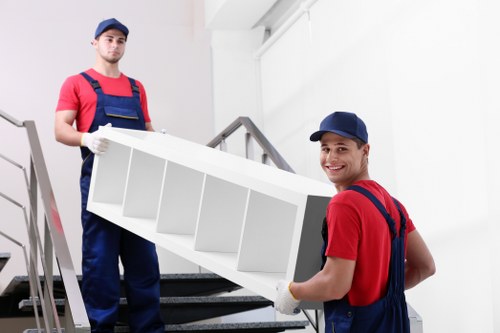
Soho is known for its busy streets, limited stopping space, and constant foot and vehicle traffic. That matters when you are planning a business relocation because even a well-organised move can be delayed if access has not been thought through properly. Parking restrictions, delivery windows, shared entrances, lift booking, and loading arrangements all need to be considered well in advance.
This is especially important for commercial customers in and around Old Compton Street, Dean Street, Wardour Street, Greek Street, Berwick Street, Frith Street, and nearby parts of Covent Garden, Mayfair, Fitzrovia, and Piccadilly. Many properties in these areas have tight access, limited servicing areas, or building rules that must be followed carefully.
Choosing a team that regularly works in central London means you benefit from practical local knowledge. The movers know how to work around busy pedestrian traffic, how to approach different building types, and how to keep the move moving even when the area is congested. That can save time, stress, and unnecessary disruption to trading.
What is included in a commercial relocation service?

A proper commercial relocation service in Soho should be more than simple van hire. It usually starts with a pre-move discussion or survey, followed by a move plan that sets out the schedule, access arrangements, packing requirements, and any specialist handling needed. From there, the team can manage the physical move in a structured way.
Typical services may include packing assistance, wrapping of furniture, dismantling and reassembly, safe loading, transport, and placement at the new premises. If needed, movers can also help with archive boxes, IT equipment, office furniture, retail fixtures, or bulky items that require careful handling. For commercial customers, the most valuable part of the service is often the coordination.
Common items moved in Soho businesses
- Office desks, chairs, filing cabinets, and meeting room furniture
- Computers, monitors, printers, and peripheral equipment
- Retail displays, stock, shelving, and point-of-sale items
- Restaurant and hospitality furniture
- Archives, records, and confidential documents
- Artwork, mirrors, and decorative pieces
- Specialist equipment used by media, design, or production teams
Some businesses need help with only part of the process, while others want a full relocation service from packing to reinstallation. Either way, the service should be flexible enough to support your move without making your team carry the burden alone.
Extra support that can be useful
Depending on the building and the volume of items, you may also need help with:
- Floor and wall protection during the move
- Labelled box systems for easier unpacking
- Sequential room-by-room moving
- Temporary storage between premises
- Disposal or clearance of old office items
How a commercial move in Soho usually works

Every business move is different, but a good service usually follows a clear process. This helps the move run on time and gives everyone involved a shared plan. For customers in Soho, where access can be tight and schedules are often fixed around trading, structure really matters.
Step 1: Initial discussion or survey
The team reviews what needs to move, where it is going, and any special concerns such as fragile equipment, access restrictions, or narrow stairways. For larger or more complex moves, a site visit may be needed.
Step 2: Move planning
A schedule is built around the building, your team, and the best available access times. This stage may include arranging lift use, identifying parking or loading points, and deciding whether packing should happen before moving day.
Step 3: Packing and preparation
Boxes are labelled, furniture is protected, and items are prepared for transport. Sensitive items such as IT equipment, documents, or glass surfaces may need additional care. Good preparation reduces the chance of delays and damage.
Step 4: Moving day
The team loads items carefully, keeps the route clear, and works through the property in a planned order. In Soho, this can mean adapting to busy streets, shared entrances, and building management requirements as the day unfolds.
Step 5: Delivery and set-up
Once items arrive at the new premises, they are placed in the correct rooms or areas, and furniture can be reassembled if requested. For office customers, this is often the stage that gets staff back to work faster.
Why planning matters in a central London business move
A good plan helps avoid problems such as blocked entrances, confusion over access, or delays caused by missing labels and poor sequencing. It also gives you a clearer picture of who is responsible for what on the day, which is especially helpful when managing staff, contractors, and building personnel.
Preparing your business for a move

Preparation is one of the biggest factors in a smooth commercial relocation. Even if the moving team handles most of the work, there are a few things your business can do beforehand to make the process easier and more efficient. This is particularly important in Soho, where time and access are often limited.
Start by deciding what is moving. A commercial move is the ideal time to separate what should be relocated, what should be stored, and what should be cleared. This avoids paying to move items you no longer need and helps the new space feel organised from day one.
Preparation checklist for business customers
- Create an inventory of furniture, equipment, and boxes.
- Back up digital files and prepare IT systems for shutdown and restart.
- Label boxes clearly by department, room, or priority.
- Inform staff of the schedule and their responsibilities.
- Check building rules for lifts, parking, loading, and access times.
- Secure confidential paperwork and sensitive items in advance.
- Measure key items if you are moving into a different type of premises.
- Tell suppliers or clients if any service interruption is expected.
For retail and hospitality customers, the preparation process may also include removing stock from displays, packing loose items, and confirming the order in which fixtures should be dismantled. For offices, it may involve disconnecting IT safely and making sure each team has a clear destination once the move is complete.
Businesses often find it helpful to nominate one internal contact who can speak with the movers on the day. That keeps communication simple and prevents confusion if adjustments are needed quickly.
How to reduce disruption to trading
Many Soho businesses cannot afford a long shutdown. To reduce disruption, it may be better to move after hours, over a weekend, or in phases. In some cases, the best approach is to move the essential operations first and bring the remaining items across later. Flexible scheduling can make a big difference to continuity.
Commercial move pricing factors in Soho
Customers often want to know what affects the cost of a commercial move. While exact prices depend on the details of the job, several common factors influence the quote. A local company will usually ask about these during the planning stage so the estimate reflects the actual work involved.
Key pricing factors can include:
- The size of the premises and the amount of furniture or stock
- The number of floors, stairs, lifts, and access restrictions
- Parking or loading challenges near the property
- Distance between the old and new locations
- Whether packing, dismantling, or reassembly is needed
- Any special handling for fragile, heavy, or valuable items
- Timing requirements such as evening, weekend, or out-of-hours moves
- Need for temporary storage or clearance services
Soho moves can sometimes take longer than a similar-sized move in a less central area because of access and traffic conditions. That does not mean the service is more complicated than necessary; it simply means the planning needs to be realistic. A transparent quote should reflect the scope of work, not vague assumptions.
What a careful quote should consider
To avoid surprises, a proper quote should take into account the layout of both properties, the likely route in and out, and any challenges with loading or lift access. If your business has specialist equipment, heavy stock, or confidential materials, those should be discussed early so the right team and equipment are available.
Request a free quote when you are ready to compare options and understand what the move will involve. A detailed conversation now can save a lot of pressure later.
Why choose a local Soho moving team?
There are practical reasons to choose a company that knows the area well. Soho is not an easy place to handle blindly. Streets are busy, access is often limited, and many buildings have specific rules for commercial tenants. A local team is more likely to understand how to work around these issues without wasting time.
Local experience matters because it helps with:
- Navigating narrow or congested streets
- Working within short loading windows
- Understanding central London building procedures
- Scheduling around business hours and peak traffic
- Handling different types of commercial premises
- Reducing delays caused by poor access planning
Businesses in Soho often value speed, discretion, and reliability. A well-organised commercial move can support all three. Your staff can focus on their work while the movers deal with the physical relocation in a structured, careful way. That is especially important when you are moving a functioning business rather than an empty unit.
Types of properties often involved
Soho includes a broad range of commercial property types, such as:
- Upper-floor offices in period buildings
- Modern serviced offices and shared workspaces
- Ground-floor retail premises
- Hospitality venues with front- and back-of-house areas
- Studios and creative spaces
- Mixed-use premises with commercial and storage areas
Each type brings different access and handling needs, which is why a tailored moving plan is so valuable. A team that regularly works in the West End will be better placed to adapt to those conditions.
Areas covered around Soho
Commercial Moves in Soho often involve nearby areas as well, especially when a business is relocating between central London districts or moving to a nearby unit. Service coverage commonly extends to the surrounding West End and adjacent business locations.
Nearby areas often included
- Mayfair
- Covent Garden
- Fitzrovia
- Piccadilly
- Bloomsbury
- Marylebone
- Westminster
- St James’s
- Holborn
If your current premises are in Soho but your new space is elsewhere nearby, a local moving team can usually plan the route and timing more efficiently than a company unfamiliar with the area. The same applies if you are moving within Soho itself, perhaps from one floor to another or from one street to the next.
Multi-site and phased relocations
Some businesses need more than a simple one-day move. They may be splitting departments across two sites, moving in stages, or coordinating with contractors for fit-out work. In these cases, the move should be broken into manageable parts with clear timing for each stage. Phased moves are often the best option for busy businesses that cannot stop trading.
Special considerations for offices, retail, and hospitality
Different sectors have different priorities. In Soho, that often means the move plan needs to be shaped around the type of business rather than just the amount of furniture being moved.
Office relocations
Office moves usually need careful handling of desks, chairs, monitors, archives, and IT equipment. Staff need clear labelling so they can settle quickly in the new premises. Data protection is also important when files and documents are being transported. Organisation is everything in a busy office relocation.
Retail moves
Retail businesses may need help with stock packing, shelving, display units, and signage items. Timing can be critical if the move has to happen between trading periods. It is often helpful to move stock in a planned sequence so the new unit can open in an orderly way.
Hospitality moves
Restaurants, bars, cafés, and private dining venues may need furniture moved, dining items packed, or front-of-house and back-of-house equipment handled separately. Hygiene, speed, and careful routing through the property are particularly important here. Keeping disruption low can protect both the business and the customer experience.
What businesses often want most
Across all sectors, customers usually want three things: a move that is safe, efficient, and organised. That is exactly why a local commercial removal team is so useful in Soho.
Frequently asked questions
How far in advance should I book a commercial move in Soho?
It is best to arrange the move as early as possible, especially if you need a weekend slot, evening work, or access coordination with a building manager. Early planning gives more time to organise packing, parking, and internal staff arrangements.
Can you move a business outside normal working hours?
Many commercial customers prefer out-of-hours moves to reduce downtime. Evening and weekend options can be useful in Soho, where daytime access may be limited and trading needs to continue.
Do I need to pack everything myself?
Not always. Some businesses prefer to pack their own items, while others want the movers to handle part or all of the packing. This depends on the size of the job, the items involved, and how much time you have before moving day.
What if my building has restricted access?
Restricted access is common in central London. A local mover can work around lift bookings, loading arrangements, stair access, and service entrances, provided those details are shared early in the process.
Can you move fragile or specialist equipment?
Yes, if the team knows in advance what needs to be moved. Fragile items, specialist tech, artwork, and heavy equipment may need extra protection or a specific handling plan.
Will my move disrupt staff and customers?
Some disruption is normal, but careful planning can reduce it significantly. Phased moves, out-of-hours work, and clear labelling all help businesses stay operational for as long as possible.
Do you cover both small and large commercial moves?
Yes. A commercial move might be a small office transfer, a single shop relocation, or a larger multi-room business move. The service should be scaled to suit the property and the workload.
Can you help with clearing items we do not want to move?
Many businesses choose to clear out old furniture, broken items, or surplus stock at the same time as their relocation. This can make the new premises easier to set up and keep the move more efficient.
What to expect on moving day
On the day of the move, the aim is simple: keep things organised and keep the business moving forward. A good team will arrive with a plan, follow the agreed order of work, and stay in communication if anything needs adjusting. In Soho, that adaptability can be just as important as strength and speed.
Expect the movers to work through the property methodically, protecting walls and floors where needed, managing doorways carefully, and loading items in a way that supports safe transport. If there are multiple floors, lifts, or narrow staircases, the team should sequence the job to keep traffic flow manageable.
Once at the new premises, placement matters. Boxes and furniture should go to the correct rooms or zones so your staff are not left sorting a pile of unlabeled items. For offices, that may mean workstation-by-workstation placement; for shops, it may mean stock and fixtures being arranged in a logical order; for hospitality venues, it may mean front-of-house and back-of-house separation from the outset.
Simple ways to help the day run well
- Keep one person available to answer move-day questions
- Ensure access keys, fobs, and lift bookings are ready
- Confirm which items are priority items
- Keep pathways clear for the moving team
- Notify staff of the schedule and any no-go areas
If you are ready to move your business, contact us today to discuss your requirements and arrange the next steps. A short conversation can help you understand the best approach for your Soho premises.
Choosing the right service for your business
Not every move needs the same level of support. Some businesses only need transport and loading help, while others need full-service relocation with packing, dismantling, and set-up. The best service is the one that matches your budget, schedule, and operational needs without adding unnecessary complexity.
If you are weighing up your options, consider these questions:
- How much downtime can your business realistically afford?
- Do you need help packing or disassembling furniture?
- Are there access limits at either property?
- Do you have confidential, fragile, or bulky items?
- Would phased moving reduce pressure on your team?
- Is temporary storage needed between premises?
These questions are especially relevant for commercial customers in Soho, where even a small move can involve a lot of coordination. The more accurately you define your needs, the smoother the relocation will be.
Final thoughts for Soho businesses
A commercial move is not just about carrying items from one place to another. It is about protecting your business continuity, keeping staff informed, respecting building access rules, and making sure the new space is ready for work. In Soho, where every street and property can present a different challenge, a well-planned and locally informed move is often the smartest choice.
Book your service now if you are planning a relocation and want practical support from a team that understands the demands of central London. Whether you are moving an office, shop, studio, restaurant, or mixed-use commercial premises, the right preparation and the right movers can make the process far easier.
For businesses comparing options for Commercial Moves in Soho, the key is to choose a service that is flexible, careful, and built around your schedule. That way, your move becomes a controlled transition instead of an interruption.